

A “dizzying” project at the forefront of psychiatric neuroscience: Dr. Pierre Marquet’s team secures a New Frontiers in Research – Exploration (NFRF) grant
Strategic funding, an interdisciplinary team, and a new generation of researchers already on board: all the ingredients are in place to profoundly transform the clinical approach to major psychiatric disorders at CERVO. Dr. Pierre Marquet, a psychiatrist and researcher, has just received a grant from the prestigious New Frontiers in Research – Exploration (NFRF) program, a federal initiative dedicated to high-risk projects with significant transformative potential. With a total of $250,000 over two years, this grant supports an ambitious project aimed at detecting the earliest biological signs of vulnerability to major psychiatric disorders, well before symptoms appear.
Detecting the Invisible: A Paradigm Shift
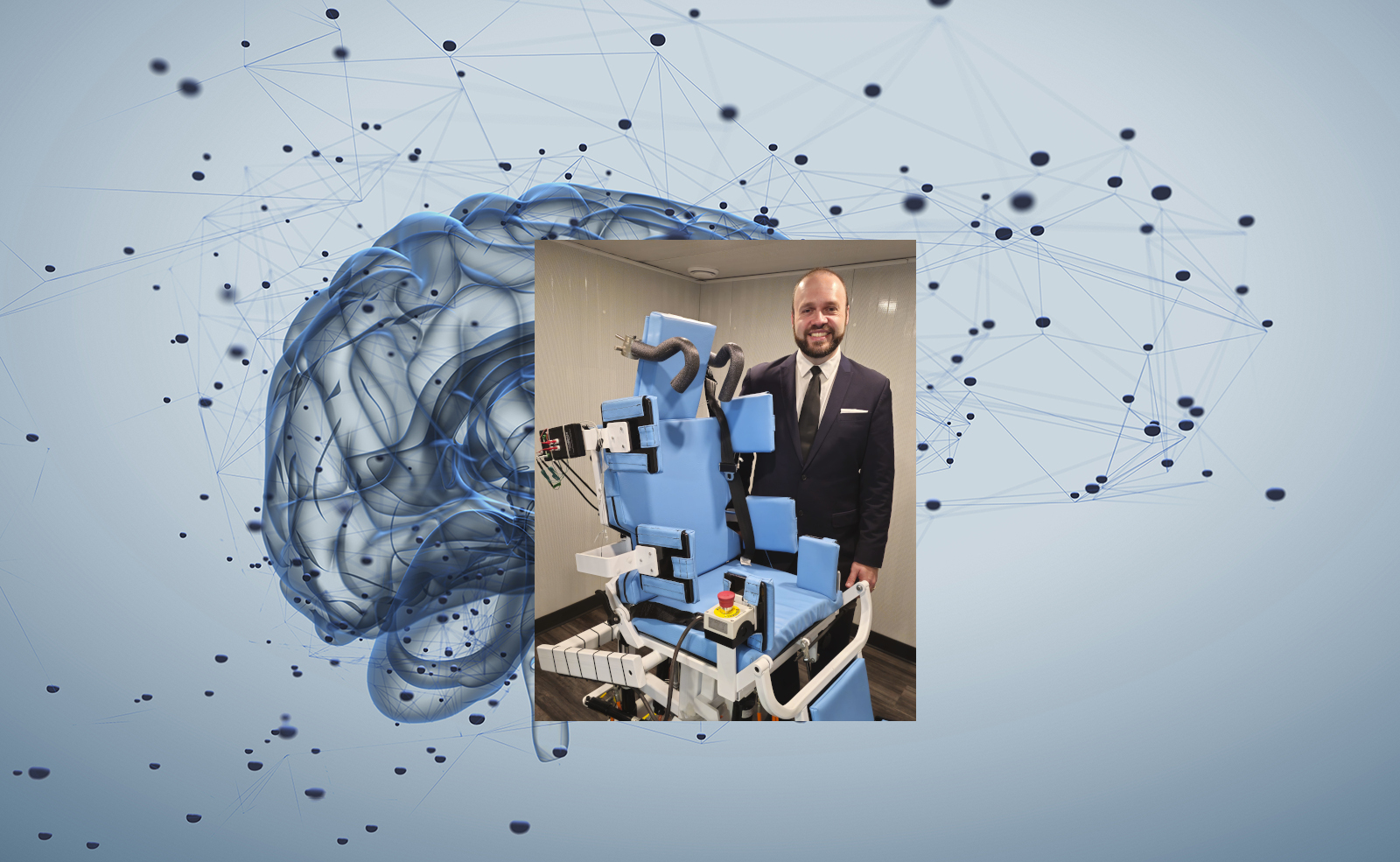
The core of the project relies on a technology still rarely used in psychiatry: electrovestibulography (EVestG). Developed and used at the University of Manitoba by Prof. Brian Lithgow for the detection of neurological diseases, this technology measures signals from the vestibular system—the sensory network located in the inner ear that is essential not only for balance but also for the perception of the body and the environment. The stated goal is clear: to pave the way for a shift from reactive psychiatry to predictive and preventive psychiatry. Today, disorders such as schizophrenia, bipolar disorder, or recurrent major depression are generally diagnosed late, when symptoms are already established and often severe, despite the fact that they have a neurodevelopmental component. Dr. Marquet’s project aims to address this challenge by identifying neurodevelopmental biomarkers in children at familial risk. This research is based on an innovative hypothesis: alterations in the vestibular system and multisensory integration could constitute a developmental endophenotype—that is, a biological signature of psychiatric risk present well before the onset of the disease and measurable using an electrophysiological system. More specifically, an electrode placed in front of the eardrum records responses from the vestibular system stimulated by movements induced by a mobile chair rotating on different axes. The system is now fully operational in the S-2000 sector of the research center.
A Major Interdisciplinary Research Project
A total of 120 participants, including patients, their children aged 6 to 17, and control participants, will be evaluated using a multimodal protocol combining clinical, behavioral, and vestibular measurements. The expected benefits extend far beyond the academic realm. In the short term, the project could provide objective tools for early screening. In the medium term, it would pave the way for personalized medicine in mental health. And in the long term, it could help reduce the severity and societal costs associated with these disorders.
Promising New Talent at the Heart of the Initiative
In this high-potential project, training the next generation of researchers is central. The recent arrival of Olivier Buteau-Verret, MD, as a master’s student, under the joint supervision of Professor Andréanne Sharp, illustrates this commitment to building lasting expertise. Professor Sharp is both an audiologist and a specialist in the vestibular system, and she possesses the expertise and equipment necessary for clinical vestibulo-acoustic evaluations complementary to the EVestG. A physician in training and a budding researcher, Olivier Buteau-Verret embodies a new generation of clinician-researchers at the intersection of several disciplines. His unconventional background—spanning translation, language sciences, occupational therapy, pharmacy, and medicine—reflects a resolutely interdisciplinary approach. Already active in neuroscience research, he has distinguished himself in several projects focusing on vestibular disorders, head trauma, and neurotology. His master’s project is directly aligned with the grant awarded, where he will participate in key tasks ranging from participant recruitment to the collection and analysis of EVestG data, as well as the dissemination of results and the development of innovative clinical tools. Ultimately, if our hypotheses are confirmed, this research program could well mark a turning point: one where psychiatry stops chasing symptoms and finally anticipates the disease. For more information about the project or our participant recruitment, please contact Olivier Buteau-Verret or at 581-703-3838, option 3.
-
PNRL has been awarded a grant from the New Frontiers in Research Fund — Exploration
-
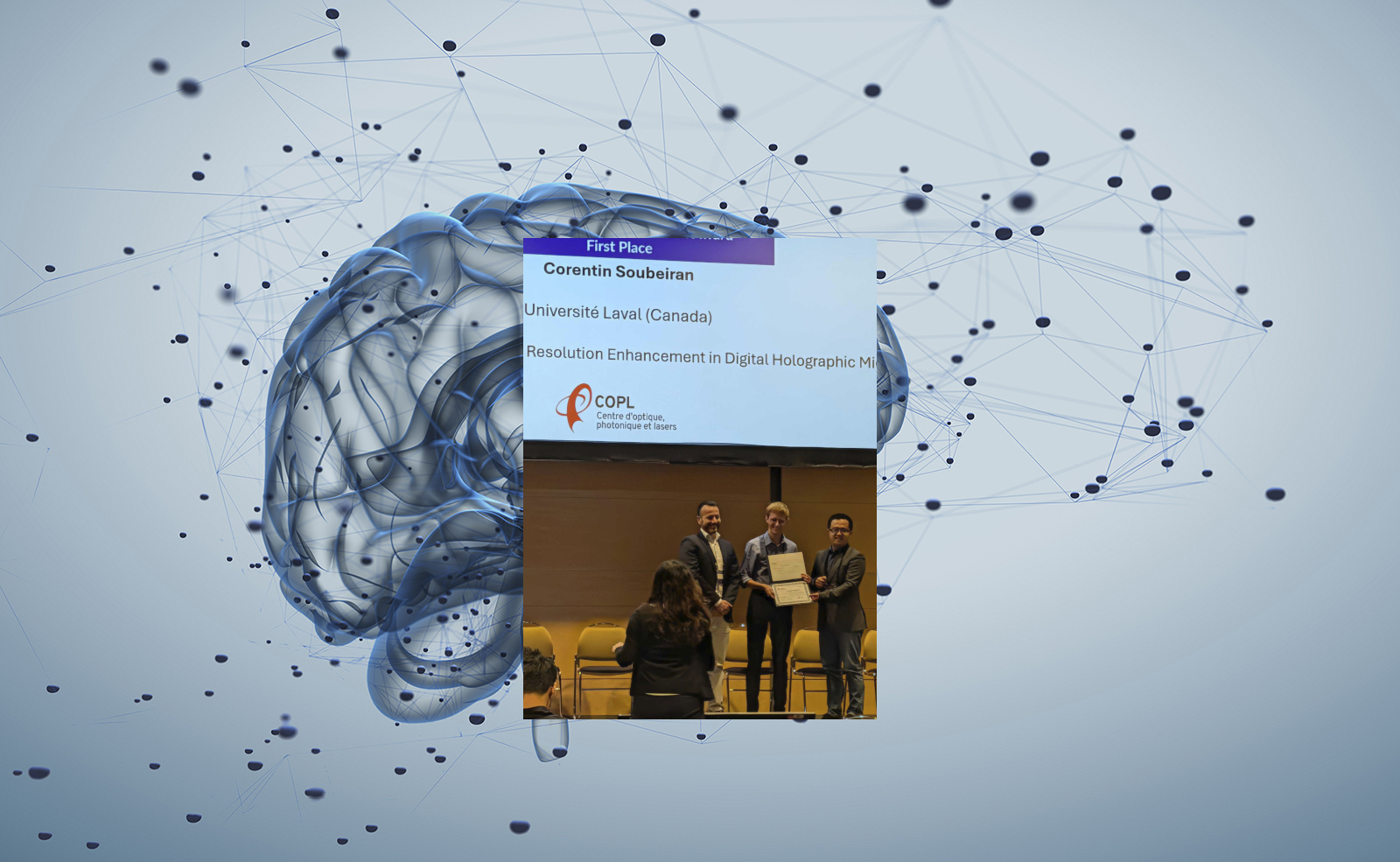
Corentin Soubeiran, an LRNP student pursuing a Ph.D. in biophotonics, won first prize for best oral presentation at Photonics North 2026
-
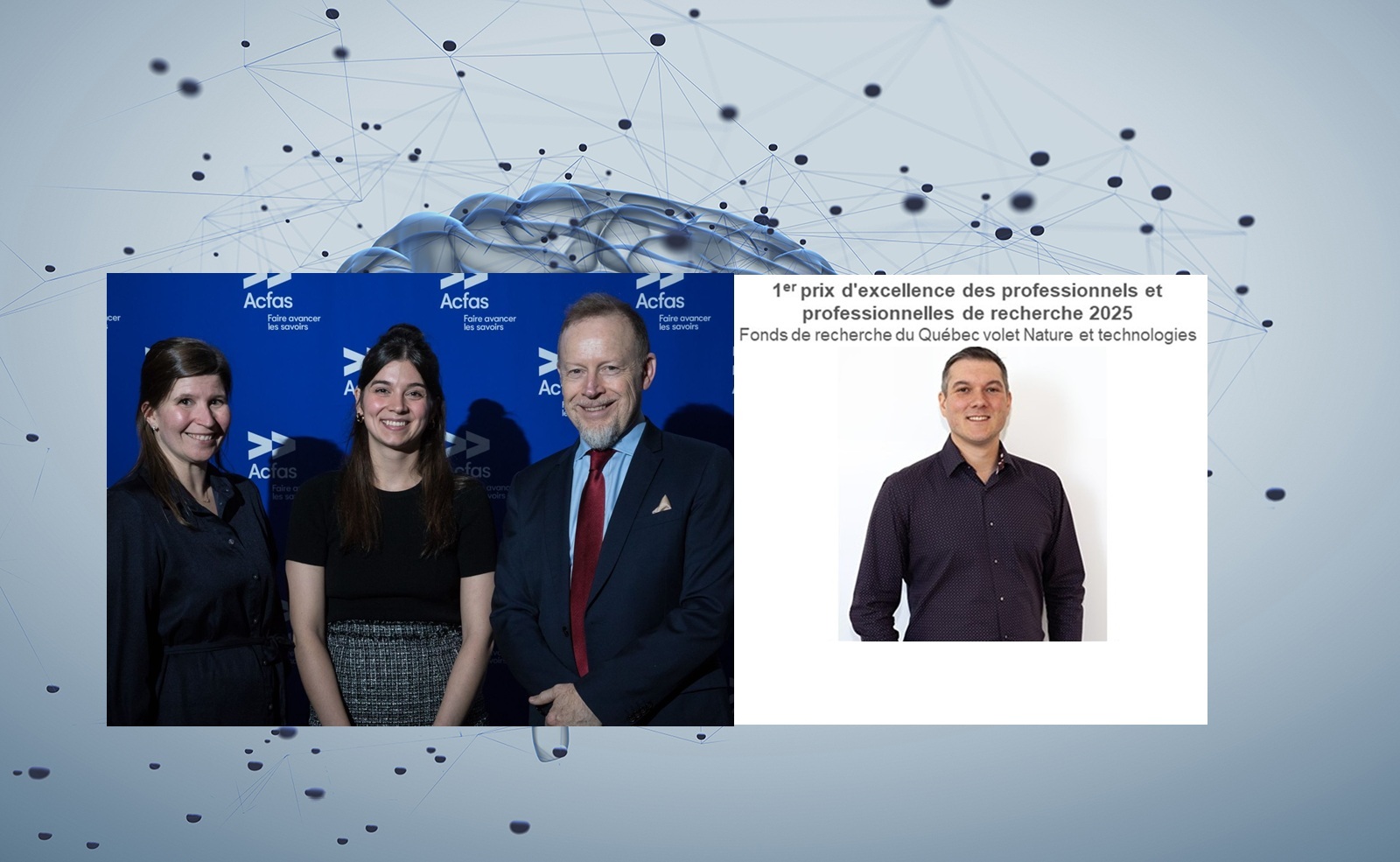
Two former laboratory members honored
-
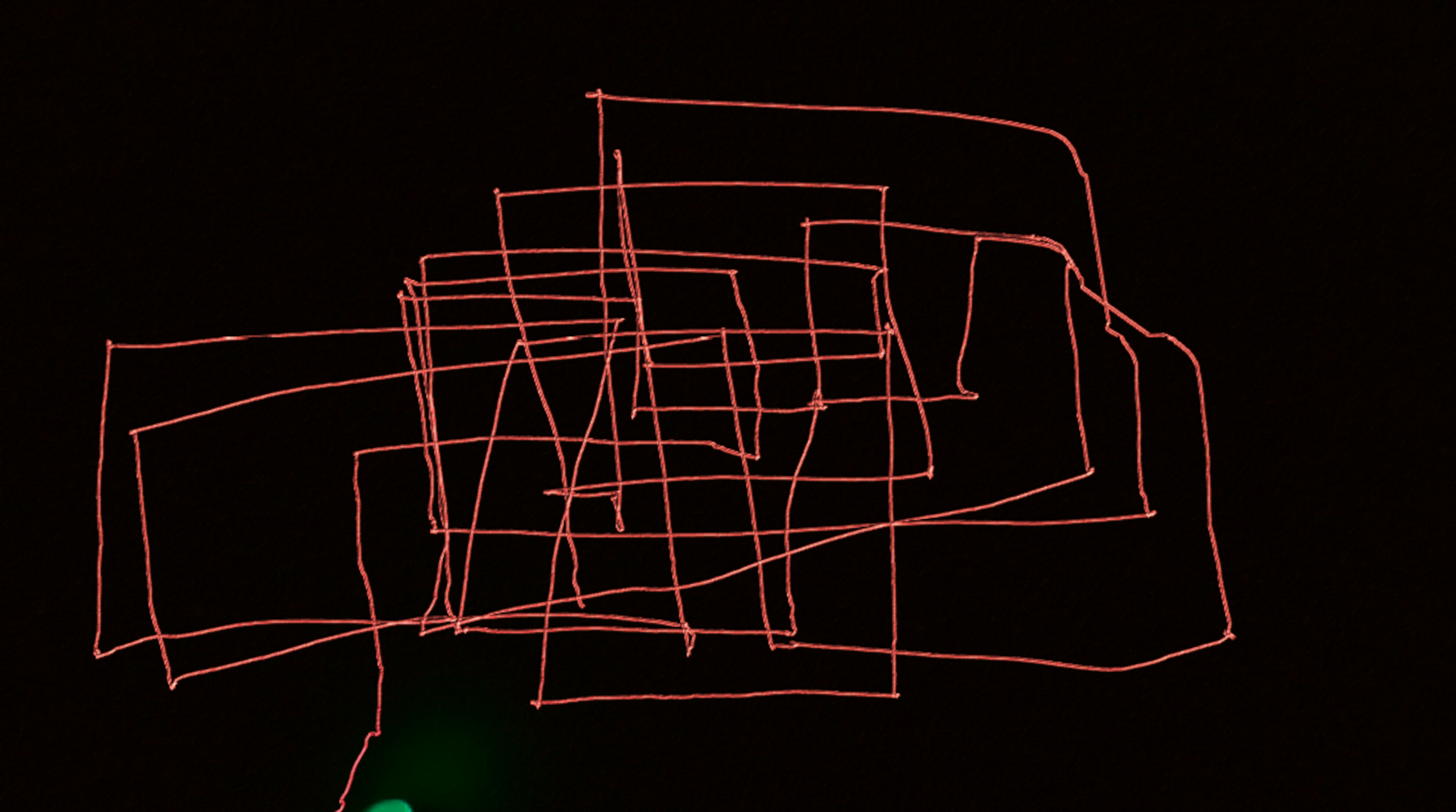
Congratulations to Alana Arrouet, a PhD student in the laboratory, for her image illustrating the trace of a participant performing a temporal prediction task that was featured in the CERVO 2024 calendar.
-

Congratulations to Alana Arrouet, a PhD student in our lab, on winning an award for her poster at Neuro Québec’s 2023 Research Day.
-

Toward Early Detection of “Major Psychiatric Diseases”?
-
Biomarkers Linked to Mental Health: An Interview with Dr. Marquet by Alexandre Touchette
-
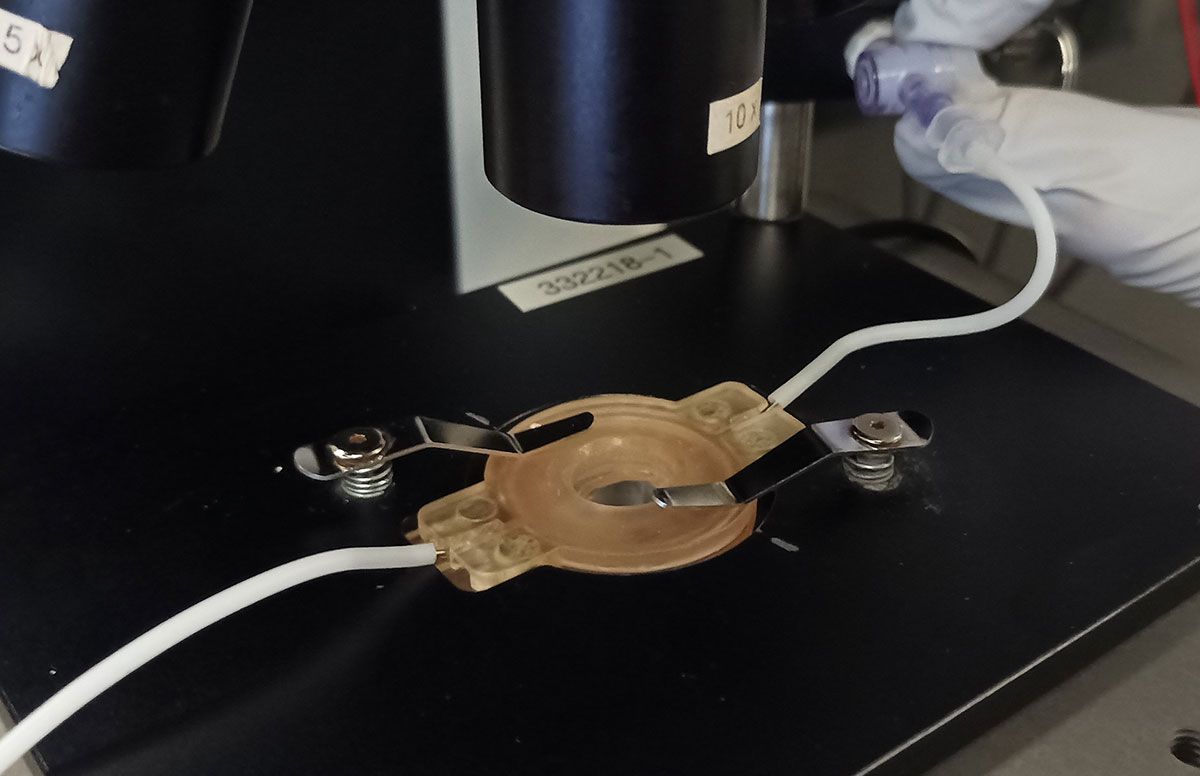
People’s Choice Award for Inter-Phase Analytics at the ACFAS “Génies en affaires” Competition
-
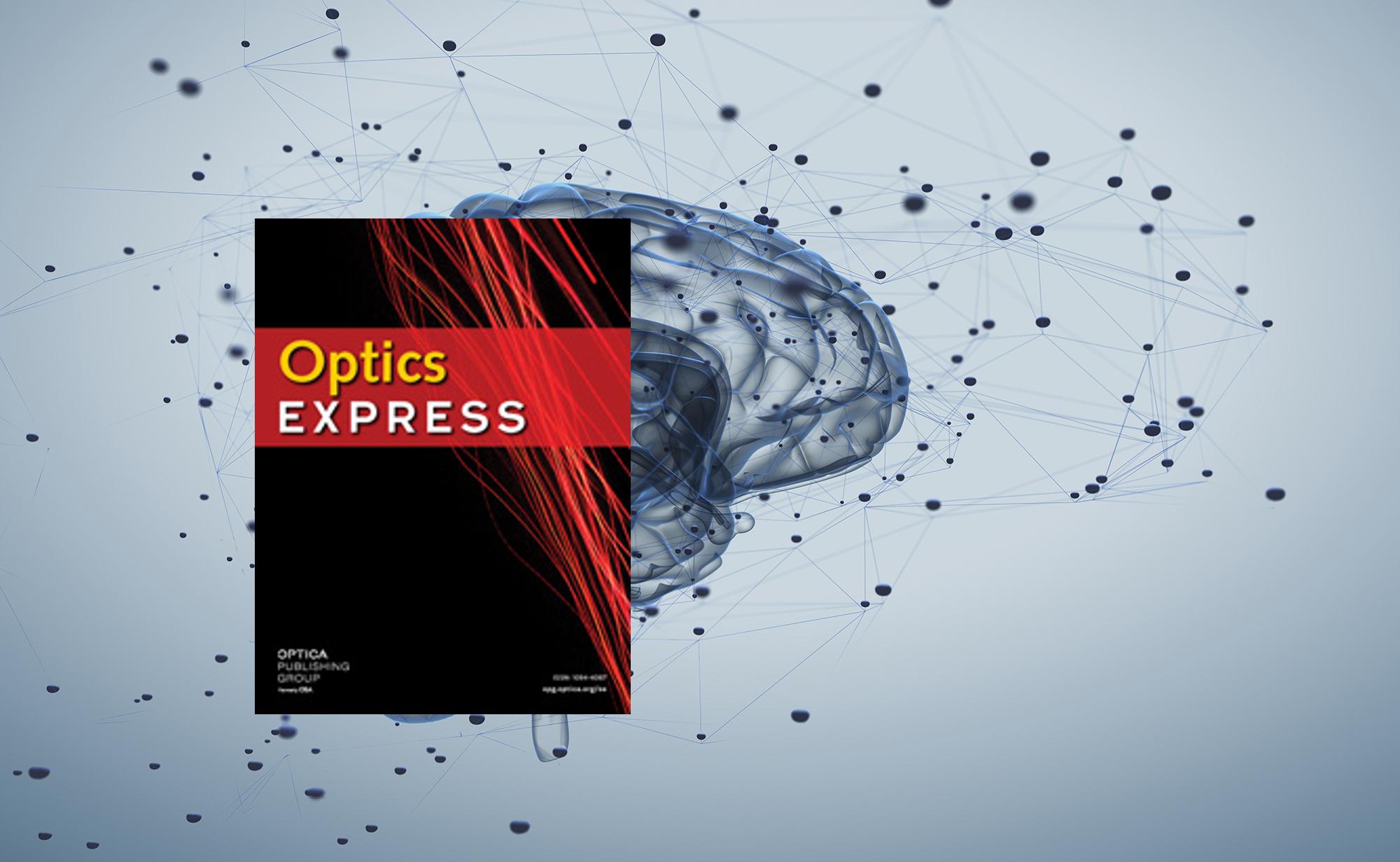
New paper from the team of Dr Marquet in Optics Express
-

Fifteen million dollars for biomarkers of brain diseases
-
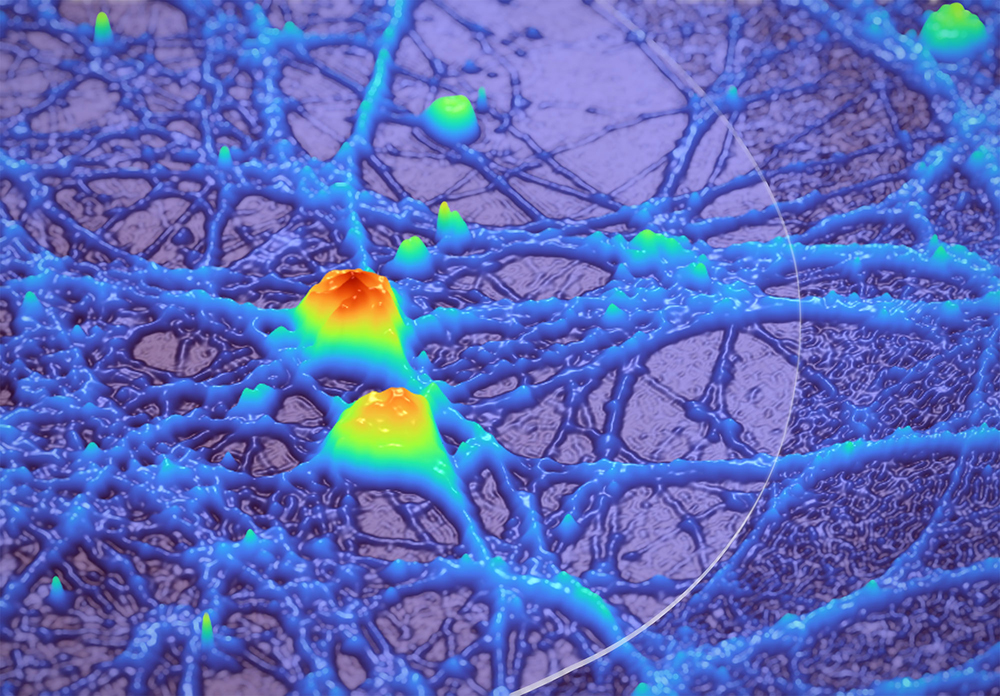
Dr. Marquet's team is a finalist in the Acfas “La preuve par l'image” competition
-

Dr. Marquet's team is a finalist in the Sentinel North science video contest
-
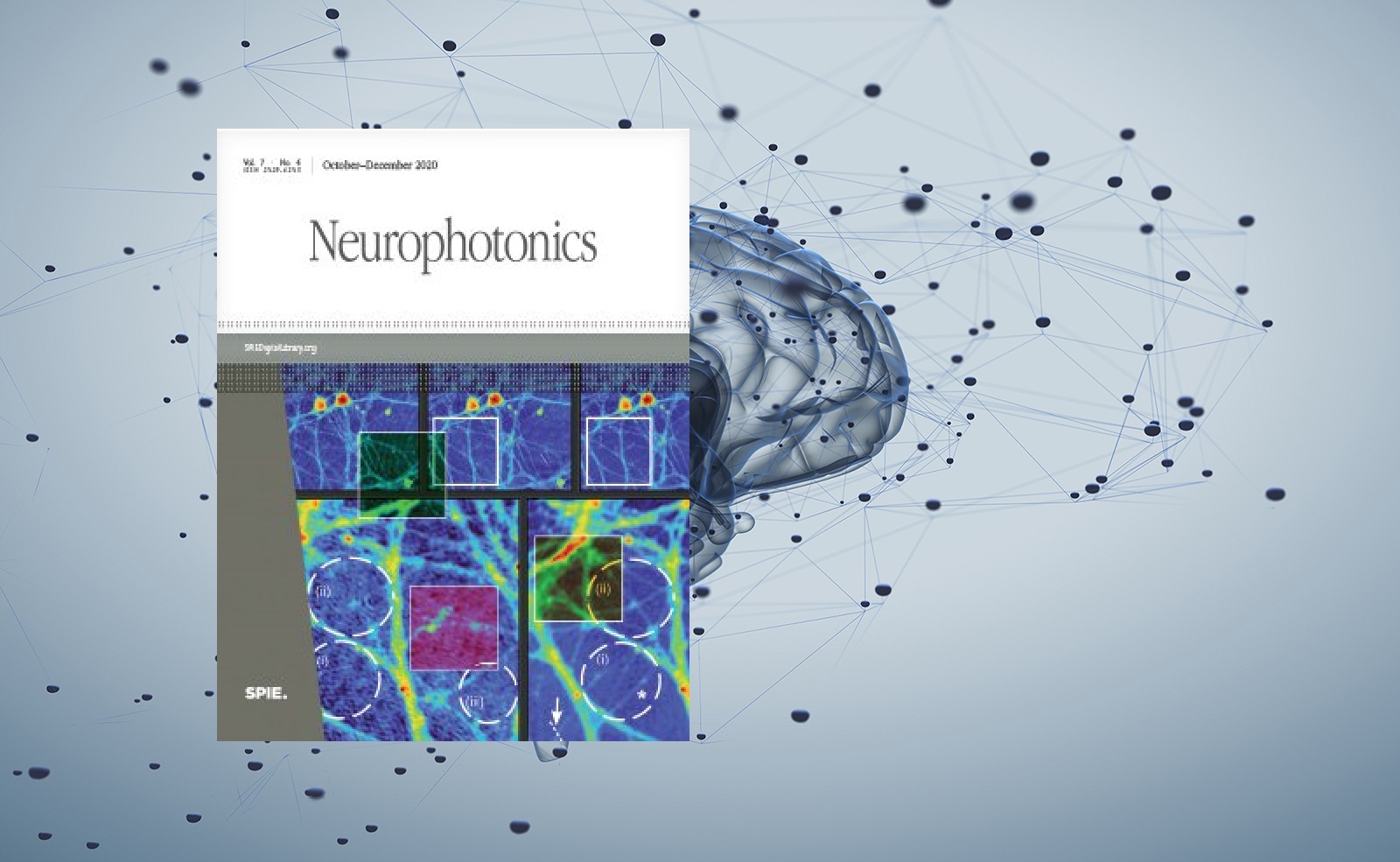
Dr. Marquet team made the front cover of Neurophotonics
-

PNRL at SPIE Photonics West 2019
-

Dr. Marquet's team awarded a grant from the NSERC Discovery Grant Program
-
Dr Marquet gave a lecture at Musée de la Civilisation
-
PNRL at SPIE Photonics West 2018
-
Antoine Grégoire receives a SPIE.Focus grant to attend Face2Phase
-
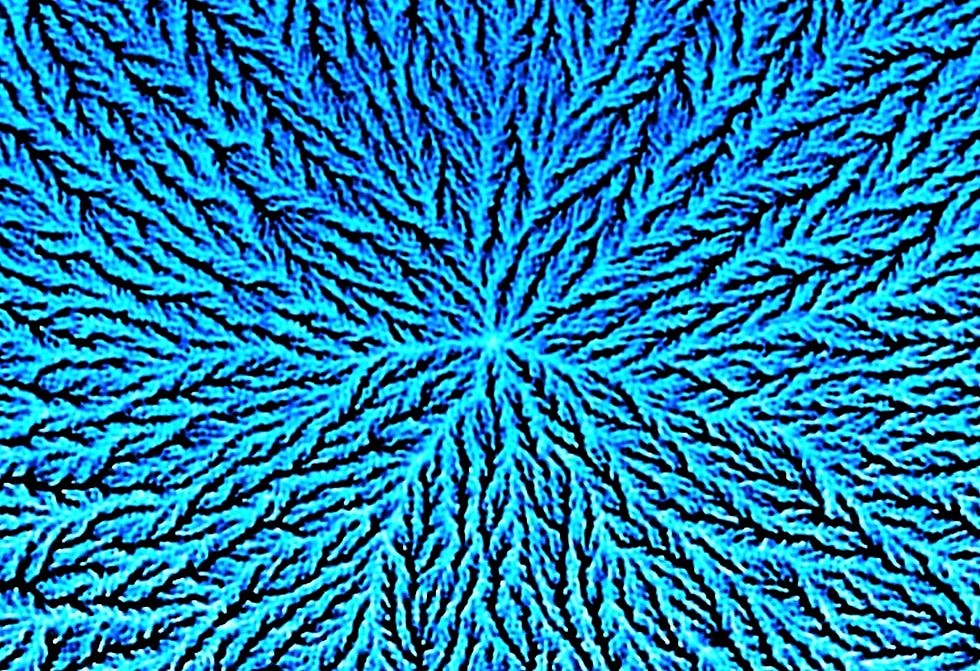
A picture taken by Bertrand de Dorlodot is among the finaslists for ACFAS La preuve par l'image contest